What happens at a Network Rail PTS Medical?
If you’re preparing for a Network Rail PTS medical, it’s important to understand what the assessment involves and the standards you’ll need to meet. This guide explains what happens during a PTS medical, what to bring to your appointment, and how the results are processed.
What is a PTS medical?
The Personal Track Safety (PTS) medical is a mandatory occupational health assessment for individuals working on or near Network Rail infrastructure.
It ensures that workers meet the medical standards set by the Rail Safety and Standards Board (RSSB) and are fit to carry out safety-critical duties.
As a RISQS-approved provider, we carry out Network Rail PTS medical assessments in line with industry requirements. Results are uploaded to the Sentinel system where applicable, and certification is issued in accordance with Network Rail standards.
Depending on your role, the PTS medical may also be completed alongside a Network Rail drug and alcohol test.
What do I need to book a PTS medical appointment?
Before attending your Network Rail PTS medical, you will need to provide the following:
- Sponsor name, contact number and email address
- Your Sentinel number (to upload and maintain your results)
- Your National Insurance number (to match your Sentinel record)
- Valid photo identification (e.g. passport, driving licence or current Sentinel card)
- Details of any medication you are currently taking
- Any corrective visual aids worn for distance vision (glasses or contact lenses)
Please ensure you bring all required information to your appointment. If any of the above is not provided, the medical may need to be rearranged and an additional fee will apply.
What happens at the PTS medical?
At your Network Rail PTS medical appointment, you will first complete a confidential medical questionnaire. You will then be seen by an Occupational Health Technician, Nurse, or Doctor who will carry out the assessment in line with Network Rail and RSSB standards.
The basic PTS medical assessment typically includes:
- Urine test (glucose and protein screening)
- Epworth Sleepiness Scale questionnaire (where applicable)
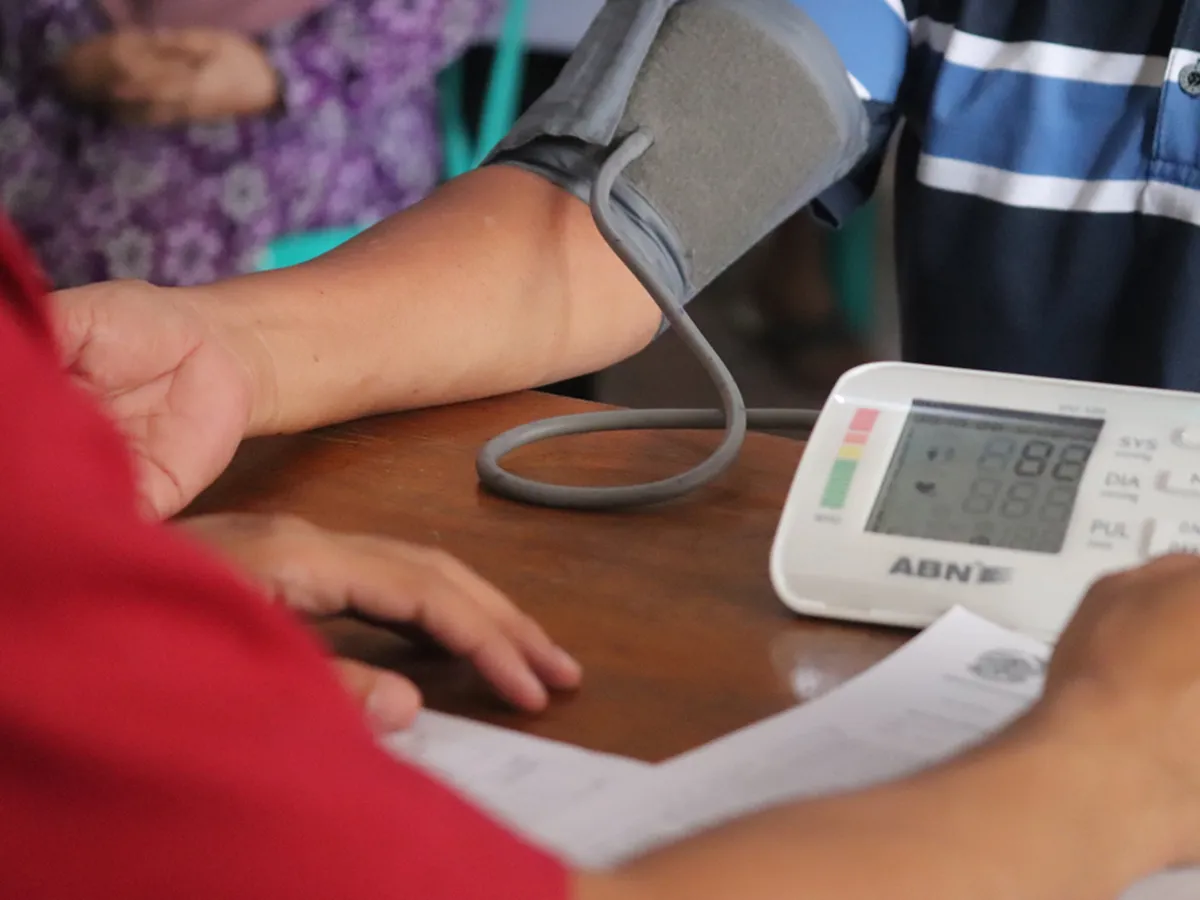
- Blood pressure and pulse check
- Height, weight and Body Mass Index (BMI)
- Mobility and balance assessment
- General health review
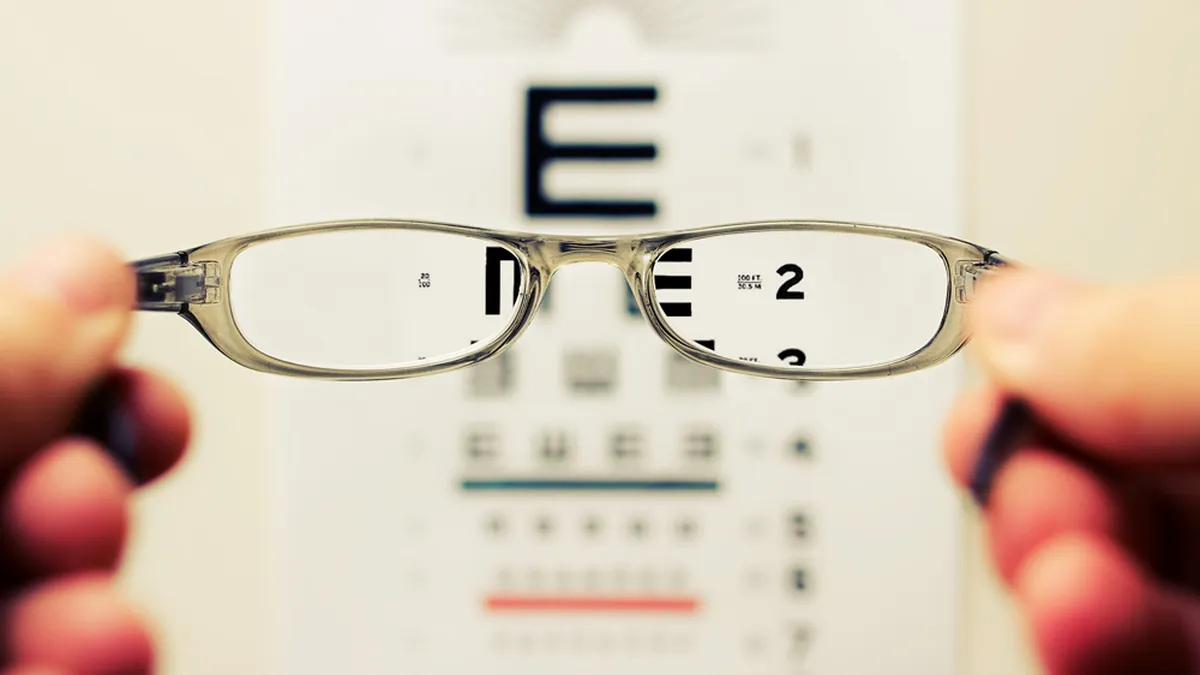
- Vision assessment, including distance vision, visual fields and colour vision
- Hearing test
If a Network Rail drug and alcohol test is required, this may be completed during the same appointment. The order of testing can vary depending on the assessment requirements.
How long does a PTS Medical last?
A Network Rail PTS medical appointment typically takes between 30 and 45 minutes, depending on the specific assessment requirements and whether a drug and alcohol test is included.
Where additional checks are required in line with Network Rail or RSSB standards, the appointment may take slightly longer.
How do I pass a PTS medical?
To pass a Network Rail PTS medical, you must meet the medical fitness standards set out by Network Rail and the Rail Safety and Standards Board (RSSB).
If you meet the required standards, you will receive a pass certification, and your results will be uploaded to the Sentinel system where applicable.
If the assessment identifies any concerns, further information may be requested from your GP, optician, consultant, or hospital specialist. In some cases, your results may be reviewed by a Responsible Occupational Physician (ROP) before a final decision is made.
The outcome of your PTS medical is based solely on whether you meet the safety-critical medical standards required for your role.